
SDG 11: Make cities and human settlements inclusive, safe, resilient and sustainable
SDG 11: Make cities and human settlements inclusive, safe, resilient and sustainable

Sustainable Development Goal (SDG) 11 is geared towards making all types of human settlements inclusive, safe, resilient and sustainable. The settlements that are of the most concern are slums. According to the Report of the Secretary-General, although the proportion of the global population living in slums fell from 46 to 23 per cent between 1990 and 2016, more than 1 billion people continue to live in such situations.
Although this SDG is focussed on settlements, it is the lives of the humans who live within them that we must focus on as photojournalists and storytellers. When telling a story, in order to drive change, it is important to create a connection with the reader. For slums, this means covering, in detail, the living conditions, the challenges the people face, the amount of money they require to live on, and more.
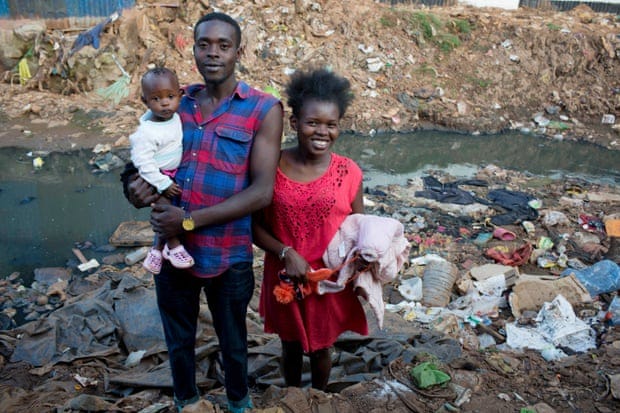
Globally, 2 billion people do not have access to waste collection services. This is poignant in our documenting of the Kibera slum in Kenya for The Guardian. The river Nygong runs through the middle of the slum and brings with it tons of human waste. Although the waste situation is dire in Kibera, it is important to think about how to frame the story, bringing the focus back to the people who, despite this, portray a revered amount of positivity and resilience. These stories are as much about the people as they are the landscapes.
In the run up to the first UN summit on the SDGs on 24th and 25th September, we have been publishing a daily blog on how we help organisations to meet the Sustainable Development Goals. Check out our blogs here.
SDG 9: Industry innovation and infrastructure
SDG 9: Industry innovation and infrastructure

Without basic transport infrastructure, many of the world’s least developed countries face serious challenges, particularly in meeting the sustainable development goals (SDGs) set out by the UN Council. SDG 9 focusses on building resilient infrastructure, which will promote inclusive and sustainable industrialisation and innovation. This is why SDG 9 is one of the most important of the Sustainable Development Goals.
Resilient infrastructures such as roads, railways, and mobile phone networks act as the veins and arteries of any country, facilitating communication, transporting people and goods and ensuring general accessibility. Properly developed transport and communication infrastructure ultimately leads to a more developed country, economy and society.
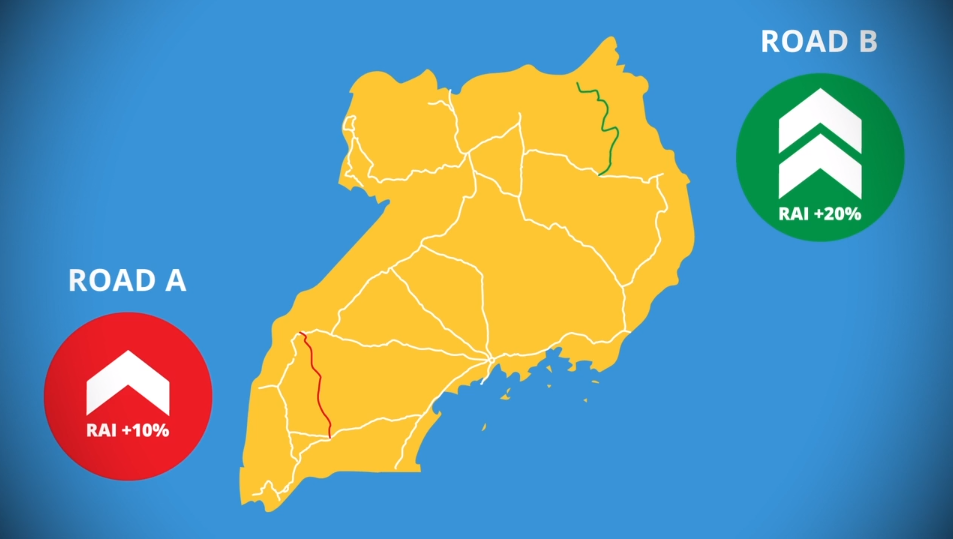
In developing countries like Uganda, the annual occurrence of the rainy season is enough to wash away many of the dirt roads, leaving millions of people cut off and sometimes dangerously isolated. We worked with a UN agency to create a video, for a local audience, that highlighted the importance of building new roads in Uganda. When documenting infrastructure projects, such as road building, it can be challenging to make it interesting.
Video tends to work as a better medium for this subject than photography as it tells more of a story. Making use of visual storytelling techniques, such as drones and animation, will create more interesting and varied footage, which in turn should lead to higher levels of engagement from the audience. However, the focus of the story should ultimately be on the challenges faced by the lack of infrastructure and the benefits improved infrastructure could bring.

In the run up to the first UN summit on the SDGs on 24th and 25th September, we have been publishing a daily blog on how we help organisations to meet the Sustainable Development Goals. Check out our blogs here.
SDG 8: Decent work and economic growth
SDG 8: Decent work and economic growth

Sustainable Development Goal 8 is focussed on providing decent work for all and continued global economic growth. According to the report of the UN Secretary-General, access to finance is on the rise globally. Access to finance means access to opportunities, this is why micro-finance is transforming lives.
Micro-finance, which in this case refers to small scale loans, are giving people across Africa the ability to develop and grow their own businesses without being exploited. Organisations like Opportunity International recognise that there are many people in developing countries who have the skill and determination to make a success of their own business but lack access to any form of finance.
One of the first and most important steps, to boost economic growth and break the cycle of poverty, is to empower people to start their own businesses. As these businesses grow, so too will employment opportunities and as a result access to formal employment for everyone.
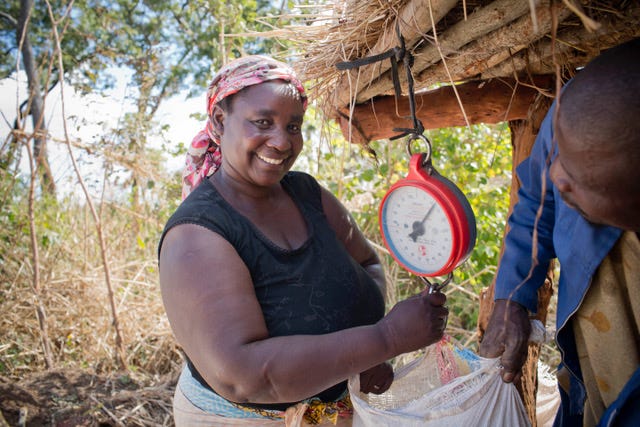
We worked with Opportunity International on the Saving Circles Project, which provided small loans to farmers in Mozambique, enabling them to purchase inputs that can increase their production. Our team of photojournalists were tasked with capturing the farmer’s stories and showing the transformational impact this project was having. Our images were subsequently used in an appeal by Opportunity International, raising over £6 million.
In the run up to the first UN summit on the SDGs on 24th and 25th September, we have been publishing a daily blog on how we help organisations to meet the Sustainable Development Goals. Check out our blogs here.
SDG 7: Affordable and clean energy
SDG 7: Affordable and clean energy

Societal access to affordable, clean energy is essential for progress in Africa. This is why many NGOs and charities focus their efforts on providing at least a basic electrical infrastructure to communities who can’t get access to the national grid.
Carrying out any task after dark, whether it is doing homework or preparing food, becomes impossible and security at night is a constant concern. Without access to mobile phones or the internet, communities are isolated.

Documenting the theme of this sustainable development goal can prove challenging. When trying to elicit a connection with the reader, a photojournalist should focus on telling the story of all the new opportunities access to electricity can bring. In addition, it is important to capture the emotions of the people who have access to power for the first time.
Any person, anywhere in the world, can connect with these positive emotions captured on camera. Our client for these photographs wanted to show the positive impact electricity was having — and the photos were widely used in company reports and for external communications.
In the run up to the first UN summit on the SDGs on 24th and 25th September, we have been publishing a daily blog on how we help organisations to meet the Sustainable Development Goals. Check out our blogs here.
SDG 6: Clean water and sanitation
SDG 6: Clean water and sanitation

According to the World Health Organisation/ UNICEF Joint Monitoring Programme Report 2019, 785 million people don’t have clean water close to home and as many as 2 billion people don’t have a toilet of their own. This is one of the many reasons why access to clean water and adequate sanitation is the next sustainable development goal (SDG), set out by the UN General Assembly for 2030.
Without access to clean water and sanitation, the chances of developing disease and infection increase dramatically. Water shortages can quickly become life-threatening situations for many people around the world. Lack of water isn’t often associated with Afghanistan, however, 92% of the population has no proper sanitation and four out of five people have no access to safe drinking water.
While working for MedAir Afghanistan our challenge was to show how dramatically people were being affected by the lack of access to clean water and sanitation. By focussing on how water is used in so many areas of everyday life, from livestock to medical centres; cooking to hygiene, our photojournalists were able to paint a vivid picture of how much help and support the people of Afghanistan required.

This project was produced into a multimedia slideshow for MedAir that was translated into four languages using subtitles as well as being used in their marketing and communications. The photographs were also compiled into a slideshow for the Guardian’s Global Development site.
In the run up to the first UN summit on the SDGs on 24th and 25th September, we have been publishing a daily blog on how we help organisations to meet the Sustainable Development Goals. Check out our blogs here.
SDG 5: Striving for Gender Equality
SDG 5: Striving for Gender Equality
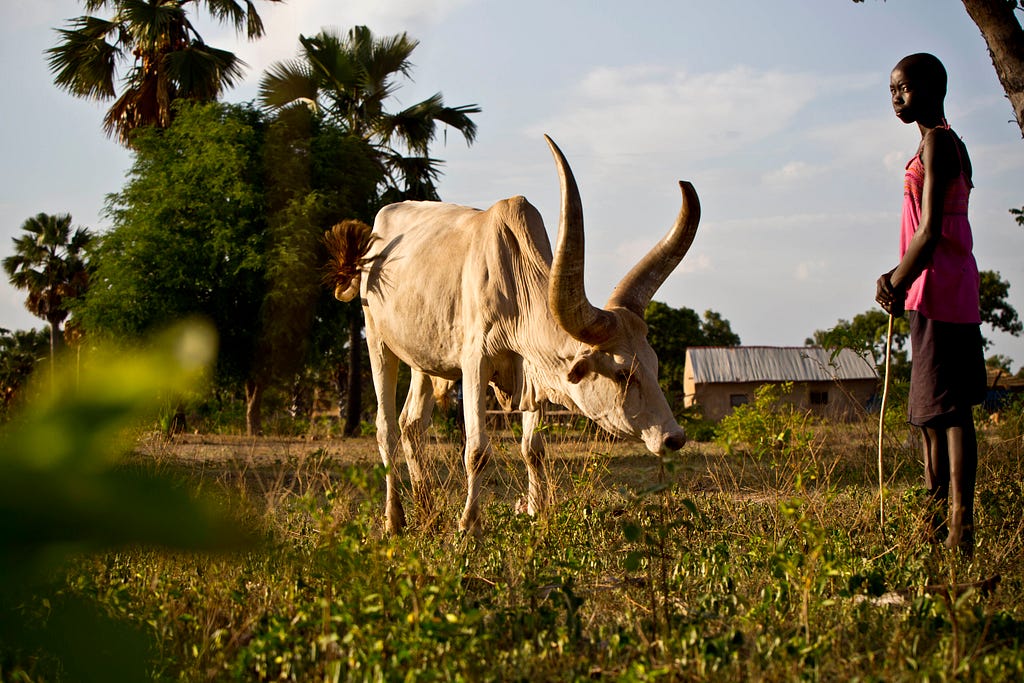
Sustainable development goal (SDG) number 5 set by the United Nations is gender equality. At Arete we strive to highlight this issue in a way that is accessible, not only to audiences in the western world but also to communities local to where we have gathered the story.
We document issues surrounding gender inequality all over the world. In rural parts of sub-Saharan Africa, lack of services combined with limited infrastructure, expectations of household duties and limited employment opportunities, means that it is normally women and girls who shoulder the burden of looking after their families. According to the UN, collectively women spend 40 billion hours a year collecting water and globally, 33,000 girls become child brides every day.
When documenting gender inequality, it is important to raise awareness around the culture that is causing it. However, a good photojournalist should also look to draw attention to the strength and resilience of the women affected, to avoid reinforcing a societal view that women are weak and inferior.
Following an appeal from the Disaster Emergency Committee (DEC), we were asked by Plan International UK to document gender inequality in South Sudan. The photos and stories Arete photojournalists gathered not only raised awareness around issues such as the hunger many of these girls faced but also exhibited their innate strength and ability. The images were exhibited in The Guardian, at the OXO Tower Gallery in London, the MAC in Birmingham and Assembley rooms in Edinburgh. An article, written by Kate Holt, was also featured in the Metro.
In the run up to the first UN summit on the SDGs on 24th and 25th September, we have been publishing a daily blog on how we help organisations to meet the Sustainable Development Goals. Check out our blogs here.
SDG 4: Quality education
SDG 4: Quality education
Most people around the world can relate to the desire for their child to go to school, or understand the importance of education. Education-focussed stories can often be some of the most powerful. Plus, there is the added benefit that children love to see their photos — and we love to show them!
According to data from the UNESCO Institute for Statistics, 263 million children and youth are out of school. Access to high-quality education is important for every child, and documenting these stories can be very rewarding. When covering the theme of this sustainable development goal, it is important to focus on the positive reactions from the children in school, capturing their smiling faces and engaged minds in action.

Statistics on children out of school should be used to illustrate the problem, portraying education as the solution. As investigative journalists, we must cast a wider net when documenting the theme of education and be conscious of the context. It is important to be aware of the role of the government, local culture, and social context.
Our photojournalists at Arete have a vast amount of experience in this area, working with organisations like UNICEF, UNESCO, Adeso and Team Rubicon UK. At Arete we tell stories that make a difference, through our work with UNICEF, UNESCO and others we hope to help realise equitable quality education and lifelong learning opportunities for all.
In the run up to the first UN summit on the SDGs on 24th and 25th September, we have been publishing a daily blog on how we help organisations to meet the Sustainable Development Goals. Check out our blogs here.
SDG 3: Promoting Good Health and Wellbeing

Sustainable development goal (SDG) three is good health and wellbeing, but as we discuss in our blog on photographing people in medical settings, documenting this theme can be both morally and ethically challenging.
Access to both preventative and reactive medical treatment underpins good health and leads to wellbeing. Many of the organisations we work with, like Jhpiego, focus on improving this. At Arete, we tell the stories of the people who are in need of healthcare but also of those benefitting from newly-introduced healthcare initiatives.
Our photojournalists have worked extensively on this theme, in countries including the Democratic Republic of Congo (DRC), Tanzania and India; particularly around the provision of child and maternal healthcare. This coverage of the Ebola outbreak in the DRC, by Arete photojournalist Kate Holt, was picked up by the Guardian.
With sensitive issues often being discussed, one must understand how to tell these stories in a way that is respectful of cultural practice, preserves the dignity of each person involved, and obtains their consent. When required, a good visual storyteller must also grasp how to capture emotive content, creating a connection between the subjects of the story and the reader, whilst still preserving the anonymity of those in the images.
When documenting health and wellbeing, it is key to show the good and the bad of medical facilities so as to provide an accurate representation of the challenges being faced. As we discuss in greater detail in our article on Solutions Journalism, providing an honest and insightful story to your viewer will garner greater support for your cause; and with greater support, organisations such as Jhpiego can do more to accomplish this sustainable development goal.
In the run up to the first UN summit on the SDGs on 24th and 25th September, we have been publishing a daily blog on how we help organisations to meet the Sustainable Development Goals. Check out our blogs here.
SDG 2: Zero hunger — how we work with the World Food Programme

The second sustainable development goal (SDG), set out by the UN General Assembly, is Zero Hunger (SDG 2: Zero hunger). Hunger and drought are two areas in which Arete has extensive experience, having worked with the World Food Programme in countries such as Somalia and South Sudan for over 10 years.
Documenting the theme of this SDG is challenging. Often the best way to approach subjects like this is from a solutions journalism perspective. Although it is important to capture the desperate nature many people find themselves in, capturing the stories of the solutions at work is equally as important.
Mass drought and hunger often recur in Somalia; therefore we must approach the representation of this issue creatively in order to keep viewers engaged and interested and to avoid donor fatigue. This is especially important in recurring crises to ensure that the issue does not drop out of the media agenda and that the individuals facing the crisis continue to be represented.

When images are too hard to look at viewers won’t engage with the story or the issue. Creative images, like the ones above from Arete photojournalists Kevin Ouma and Karel Prinsloo, present a new perspective on hunger; eliciting a human connection and empathy with the viewer, rather than shock.
In images like this one, it is particularly important to ensure that there is eye contact made with the camera. This facilitates a connection with the viewer and helps the subject to maintain their humanity and dignity.
Often the regions in which drought and famine occur are unstable and difficult to access. At Arete, we understand the challenges of working in these places and have the ability to mobilise quickly, because we have a large network of local and international photojournalists. The stories we are able to gather, during our time on the ground, go a long way to support organisations, like the World Food Programme, who are committed to achieving this SDG.
In the run up to the first UN summit on the SDGs on 24th and 25th September, we have been publishing a daily blog on how we help organisations to meet the Sustainable Development Goals. Check out our blogs here.
SDG 1: No Poverty - How we helped MedAir Lebanon tell their story
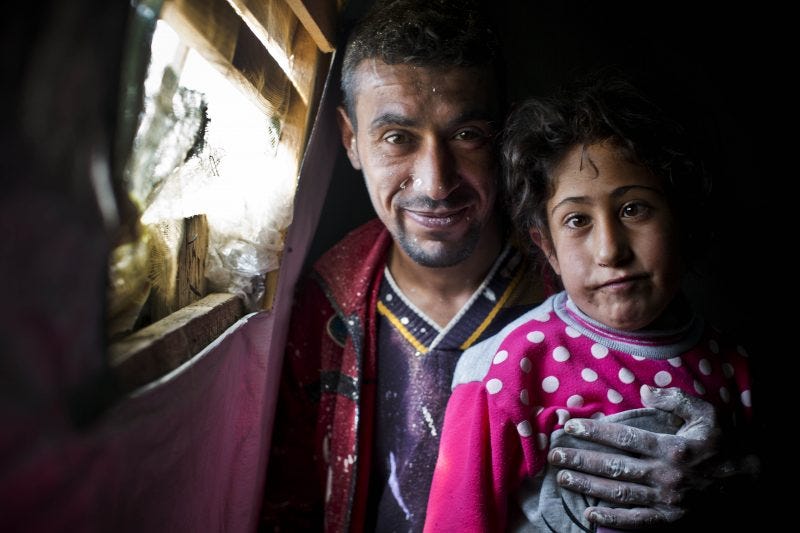
Eliminating poverty is the first, and most pivotal, sustainable development goal set out by the UN General Assembly. Poverty within a society can arise for a number of different reasons; in this case study from Medair, the Syrian civil war has affected communities and people on an unprecedented scale.
Organisations like MedAir Lebanon aim to alleviate some of the symptoms of poverty, with a particular focus on providing general healthcare and medicine. Our task was to help MedAir Lebanon tell the story of the people they serve, and raise awareness of the impoverished situation thousands of Syrian people find themselves in.
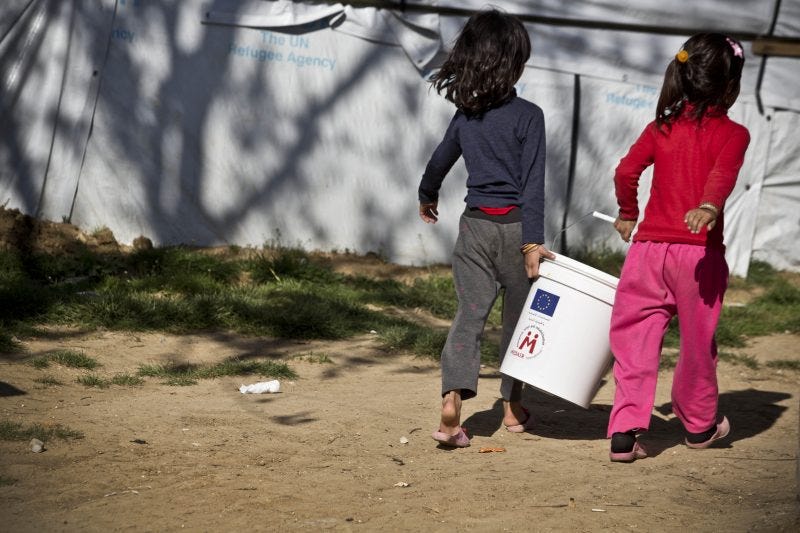
Despite the challenging environment, our photojournalists directly gathered consensual photographs and stories from many of the affected Syrian refugees who have fled to Lebanon, often with nothing.
Photographing people in their darkest hour takes both skill and empathy. Every effort must be made to ensure that the subjects — who are already living through dire circumstances — maintain their dignity. We are not looking to invoke pity, rather compassion and empathy.
As a photographer, you must be respectful and facilitate a connection with the subject, which will allow them be more open with and trusting of you.
At Arete, we tell stories that make a difference. The photographs and anecdotes we gathered pieced together a story that was used by both MedAir Lebanon and The Guardian to gather support and ultimately help assuage the daily poverty the Syrian refugees are experiencing.
In the run up to the first UN summit on the SDGs on 24th and 25th September, we have been publishing a daily blog on how we help organisations to meet the Sustainable Development Goals. Check out our blogs here.